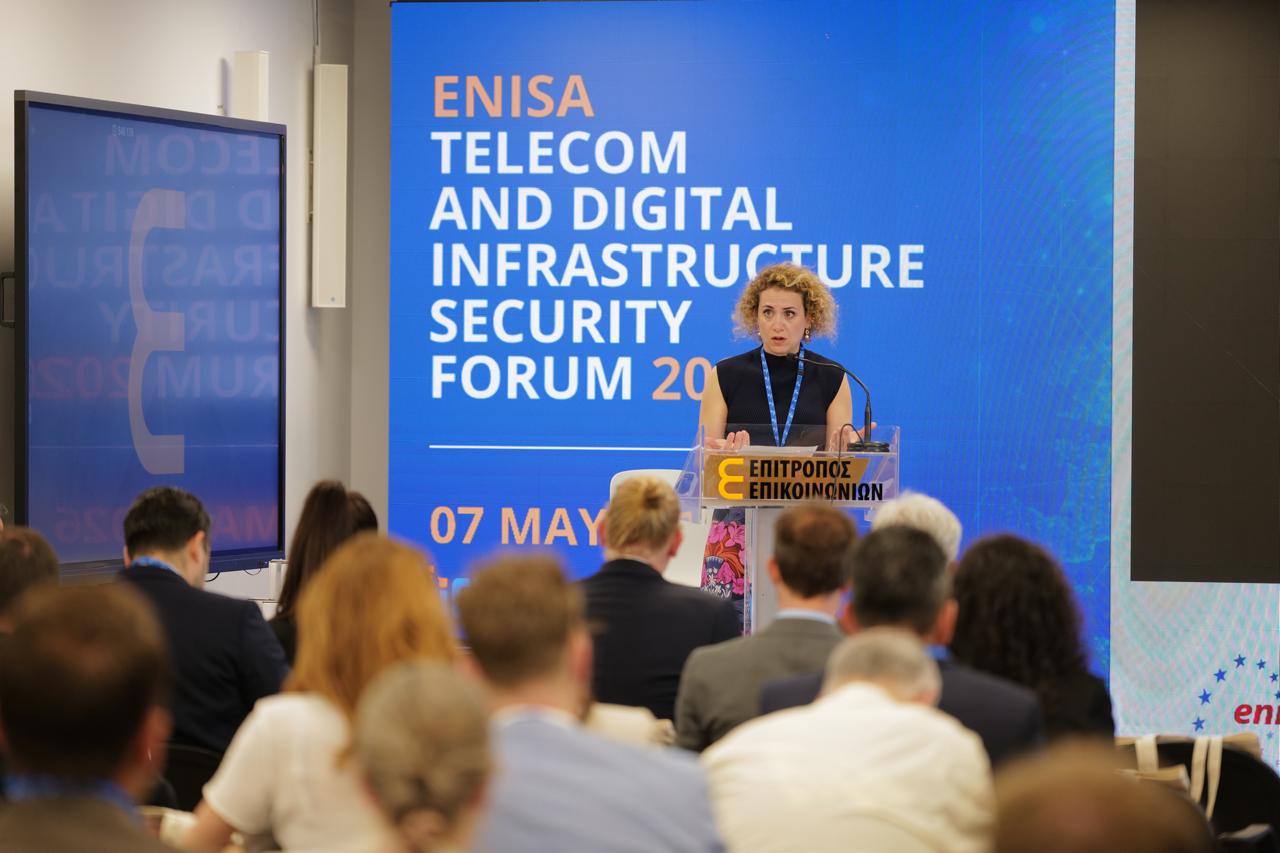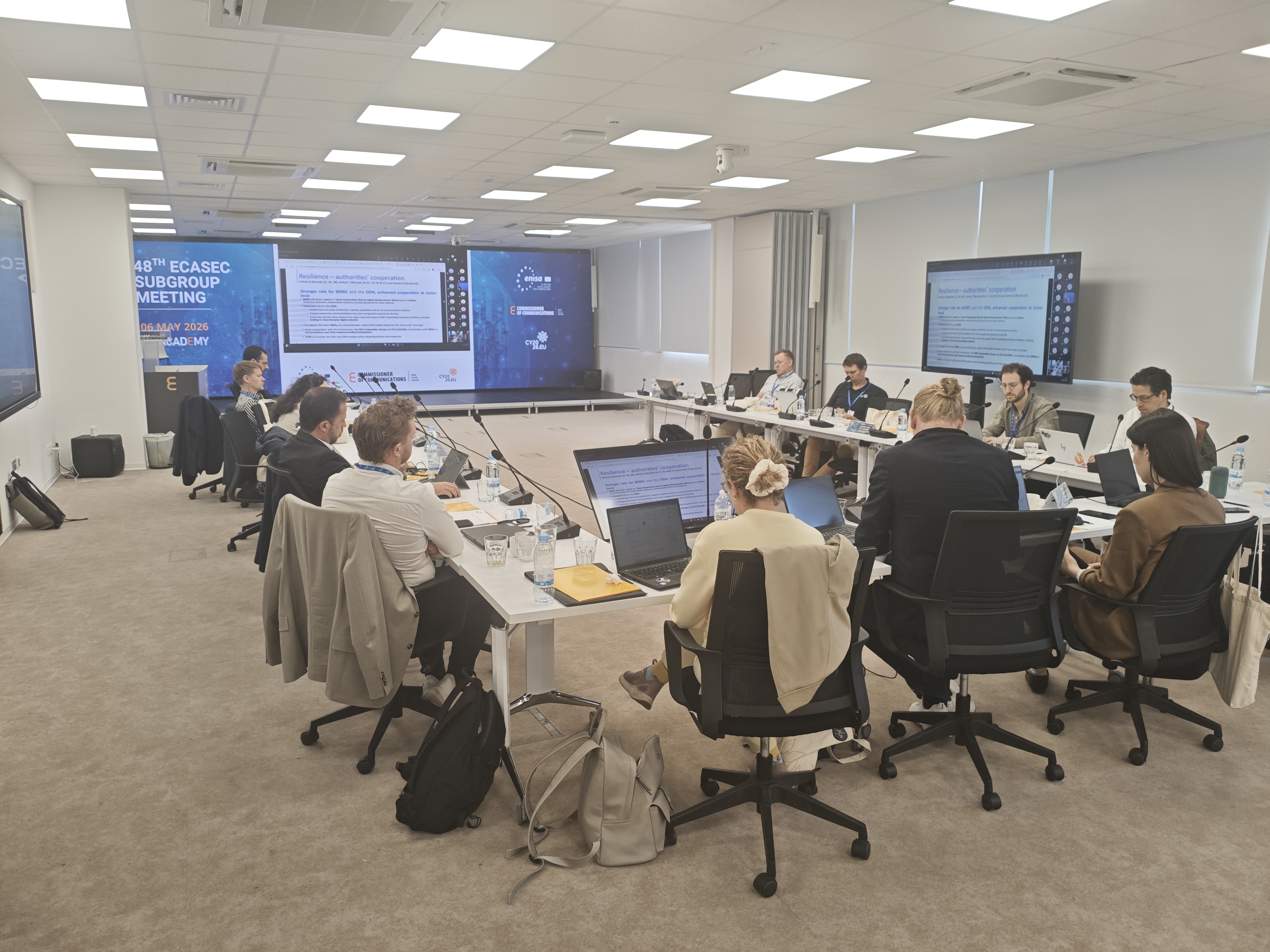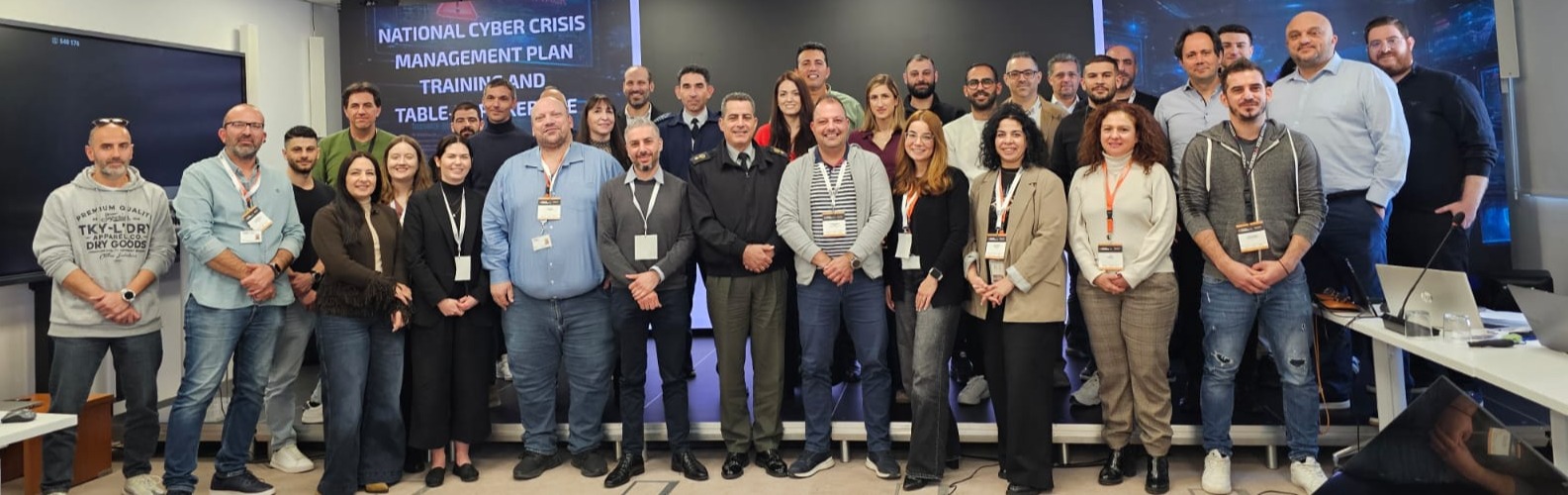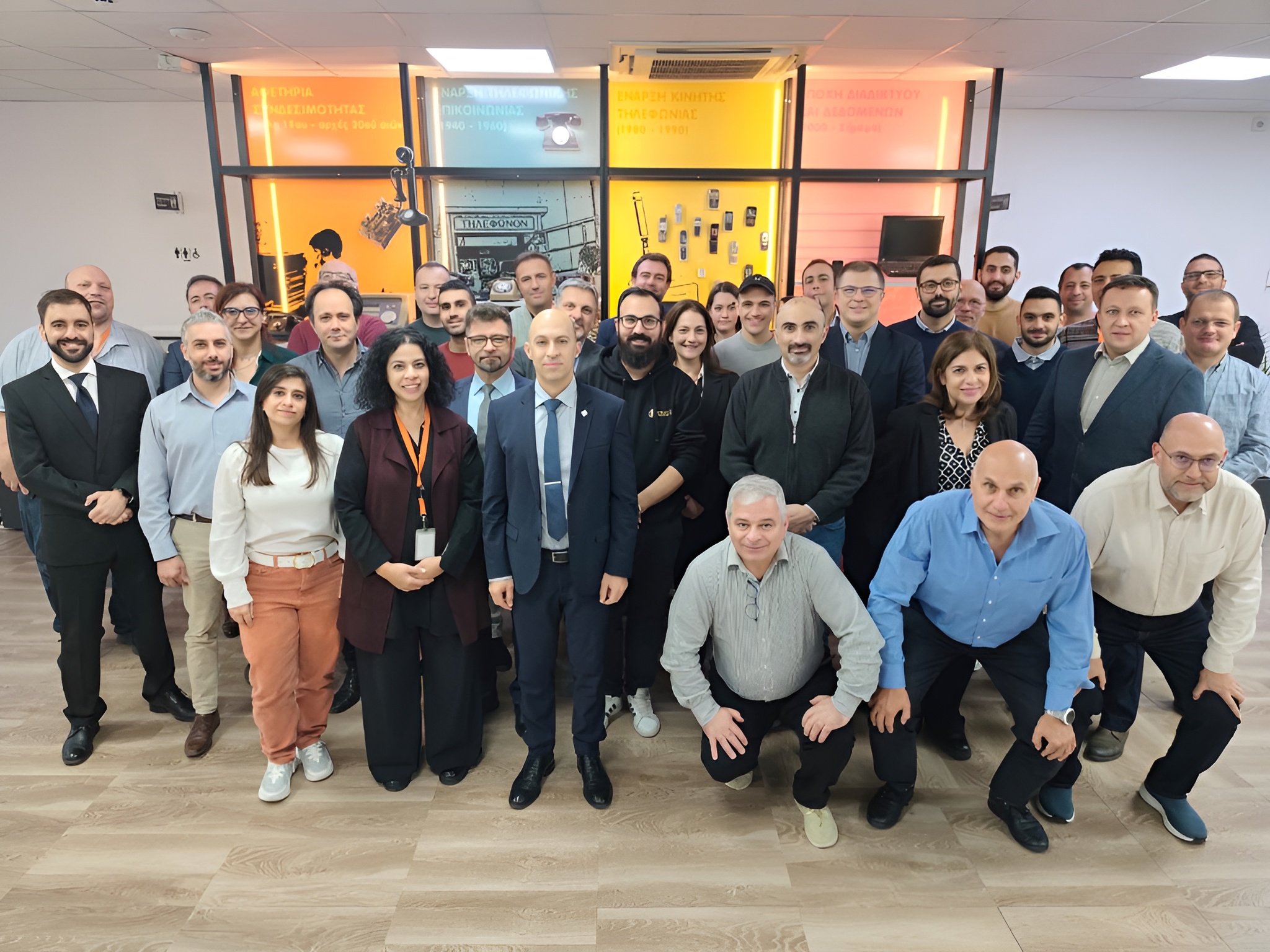
The Digital Security Authority (DSA), in collaboration with ENISA and under the auspices of the Cyprus Presidency of the Council of the EU, successfully hosted the " ENISA Telecom and Digital Infrastructure Security Forum 2026". The event took place on May 7, 2026, at the Authority’s premises in Nicosia.
This forum is deeply embedded within the broader strategic and regulatory framework of the European Union aimed at protecting critical information infrastructures. With the ongoing implementation of the NIS2 Directive requirements and the emerging legislative developments such as the Cybersecurity Act 2 (CSA2) proposal, safeguarding telecommunication networks remains a central pillar of both national and European strategy. The discussions directly addressed pressing contemporary challenges, including the threat of espionage in telecommunication networks, the resilience of critical subsea cables, and the secure integration of cutting-edge technologies within stringent regulatory compliance boundaries.
The proceedings brought together prominent cybersecurity experts from the telecommunications sector, representatives of national regulatory authorities, and European policymakers. The primary objective of the gathering was to facilitate the exchange of high-level technical expertise, strengthen the dialogue between the public and private sectors, and promote a robust, harmonized approach to the supervision and security of telecommunication infrastructures on a pan-European scale.
The forum commenced with formal welcoming remarks from senior officials representing the Republic of Cyprus, the European Commission, and ENISA. This introduction was followed by strategic insights from industry leaders, featuring presentations by executives from Vodafone EU and Samsung Electronics on the complexities of securing multiple European markets and the cybersecurity implications of Open RAN architectures.
The first thematic session provided a comprehensive analysis of the current threat landscape. Presentations delivered in-depth perspectives on large-scale botnet DDoS attacks targeting Content Delivery Networks (CDNs), the broader mobile telecommunications security landscape as outlined by the GSMA, and the imperative role of coordinated policy in building sustained network resilience.
Subsequent discussions evaluated infrastructural resilience through the lens of practical case studies. Experts analysed the systemic impact of widespread power outages—specifically referencing the Iberian power cut—on the telecommunications sector, underscoring the critical cross-sector dependencies that directly impact national security and continuity of operations.
The third session addressed the security challenges arising from rapid technological advancements. Topics of discussion included quantum computing and post-quantum cryptography, the safeguarding of 5G networks and the Internet of Things (IoT) within smart city ecosystems, the realities of securing digital infrastructures amidst the rapid adoption of Artificial Intelligence, and the foundational security considerations for future 6G technologies.
The event concluded with a thorough review of the evolving European policy and regulatory environment. Participants deliberated on the legal provisions of the CSA2 proposal, the compliance landscape shaped by the NIS2 amendments, and the strategic framework required for a trusted ICT supply chain. The forum culminated in a high-level panel discussion featuring representatives from Cloudflare, Deutsche Telekom, Connect Europe, and Vodafone Group, focusing on anticipating and mitigating future cybersecurity challenges within the telecommunications sector.
The Digital Security Authority remains resolutely committed to the continuous fortification of the telecommunications sector and critical infrastructures. Through sustained cooperation with national and European stakeholders, alongside network and service providers, the Authority pledges to implement advanced supervisory frameworks to ensure a reliable, resilient, and secure digital environment for the entire jurisdiction.